|
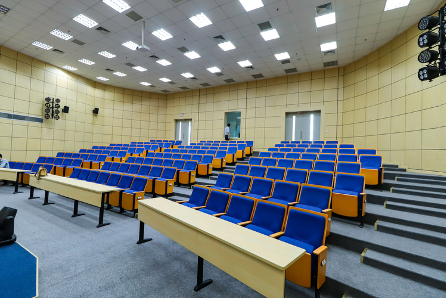
Lighting
for Neuroinclusive Learning
The
emerging response is neuroscience-informed design, sometimes
called neuroarchitecture. It examines how acoustics,
lighting, materials and spatial organization influence
concentration, comfort, navigation and sensory regulation.LEARN
MORE
|
|
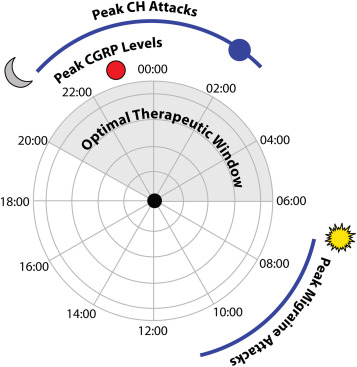
Migraine
Therapy through Circadian Rhythms
Circadian
rhythms are essential to maintain normal neurological
function and health, regulating the expression of
approximately 50 % of all protein coding genes in mammals.
Lighting is a critical regulator of circadian rhythms, and
disruptions in light–dark exposure—such as irregular
working hours, dim light at night, or excessive screen
use—can heighten migraine susceptibility by disturbing
natural biological timing. Maintaining stable lighting
patterns is therefore positioned as a core element of
circadian hygiene, helping stabilize sleep, reduce attack
triggers, and support neurological health. Aligning
therapeutic strategies with an individual’s circadian
profile may enhance treatment effectiveness, but
emphasizes that aberrant lighting remains a potent
environmental factor capable of destabilizing both
circadian regulation and migraine outcomes. LEARN
MORE
|
|
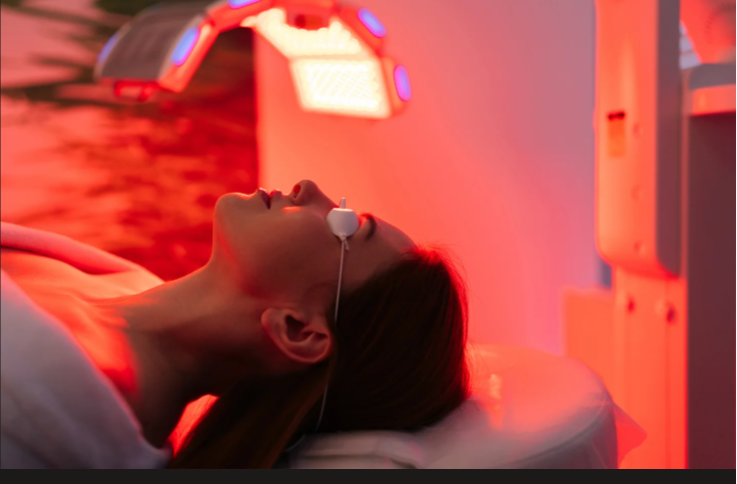
Photobiomodulation
Therapy
Photobiomodulation
is an emerging neurotherapeutic with encouraging early
results in depression, TBI, dementia, Parkinson’s disease,
and cognitive dysfunction that still needs better-controlled
trials and standardized dosing. LEARN MORE
|