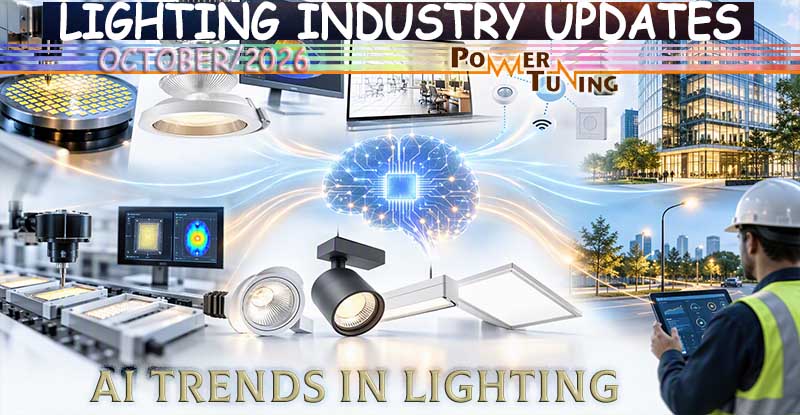
|
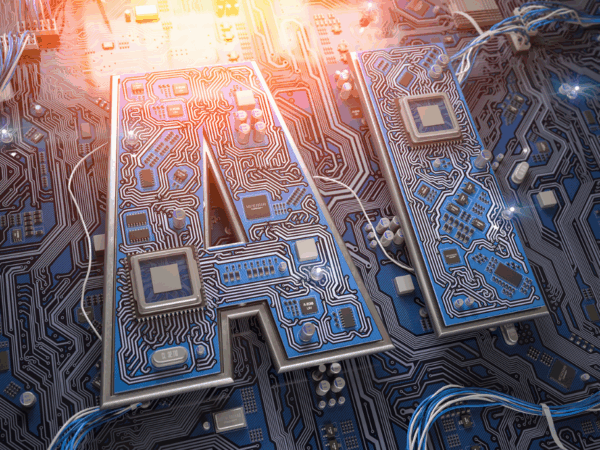
How
AI is Improving LED Performance Before the Fixture Is Even
Built
Recent
semiconductor-industry research shows AI is being used for:
Wafer defect detection using computer vision, Yield
optimization, Predictive maintenance of fabrication
equipment, Real-time process control, Root-cause analysis
for production issues, Virtual metrology and process drift
prediction. Major semiconductor companies such as TSMC,
Samsung, and Intel are reported to be using AI in
manufacturing operations for defect classification and
predictive maintenance. READ
MORE
|
|
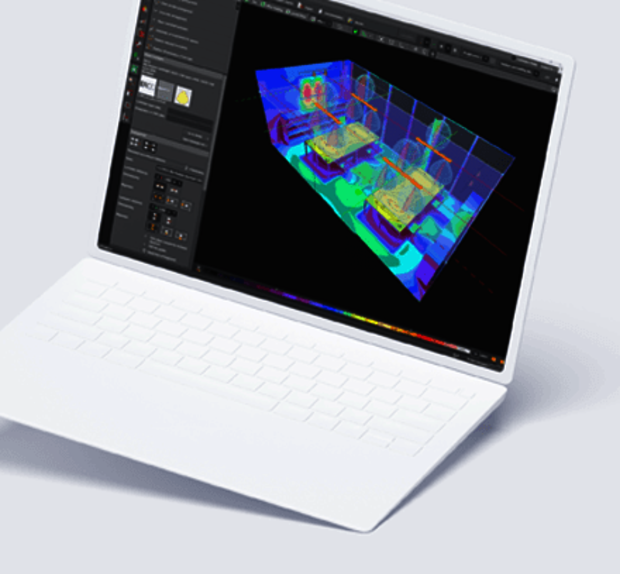
AI
in Architectural Lighting Design
This
area is receiving significant attention from lighting
designers and organizations such as IALD. Current
practical uses include: Concept Generation, AI-generated
renderings, Standards Assistance and Layout Optimization.
These can assist in generating mood concepts, design
narratives, visual studies, Visualization, check
compliance, analyze
codes, while
maintaining lighting standards. READ
MORE
|
|
The
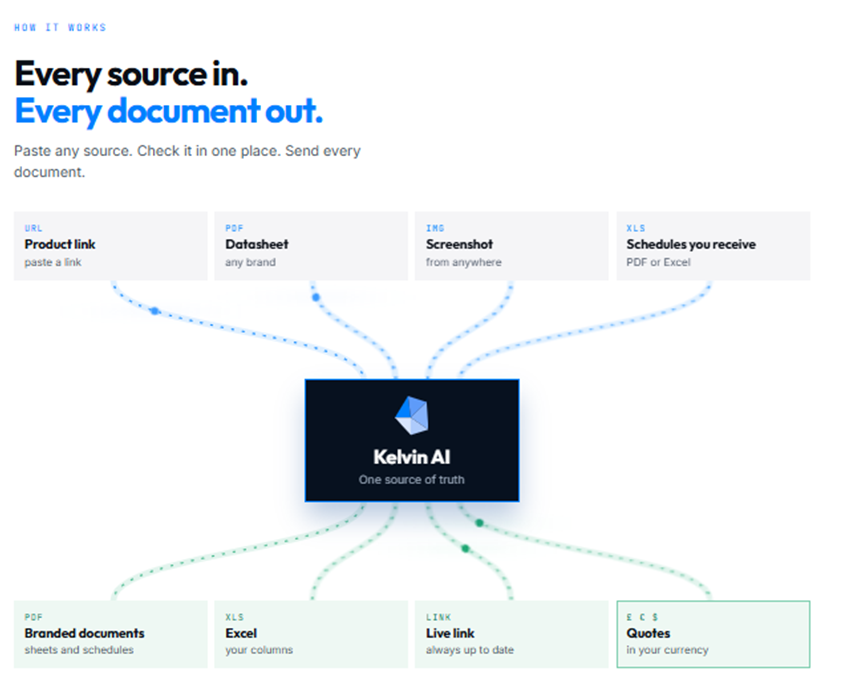
AI Powered Lighting Professional
From
smarter specification and faster documentation to automating
repetitive tasks, an AI App can reduce manual work and give
lighting designers more time to focus on design and creative
decisions. AI tools can work alongside established
calculation software such as DIALux and where humans should
remain firmly in control. Explore an interview with the
founder of Kelvin App. LEARN MORE
|
 |
How
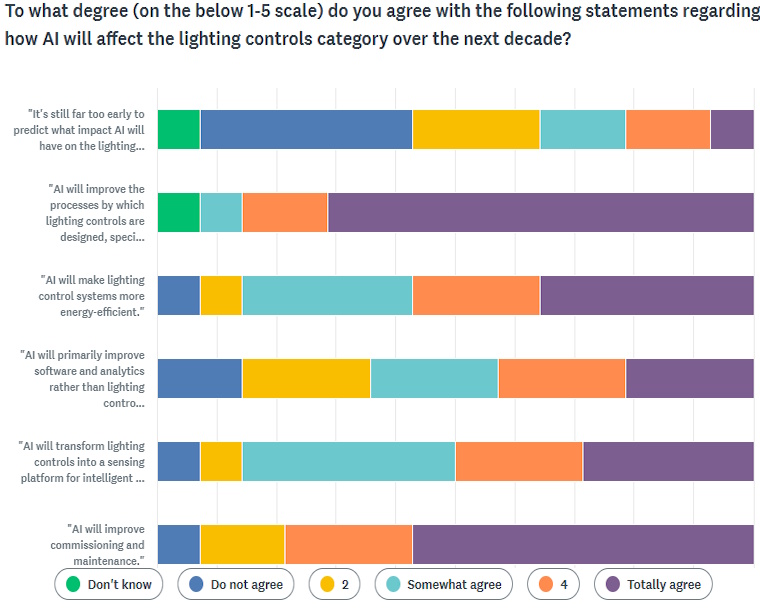
Will AI Impact Lighting Controls?
AI-control
systems analyze occupancy patterns, daylight availability,
weather, user preferences, schedules and energy prices to
continuously optimize lighting.
This is done using Adaptive Lighting where AI predicts
demand before occupants arrive. For Circadian Optimization,
AI can adjust CCT, intensity, timing to support wellness
programs. LEARN MORE
|